Please note: While we live and breathe Non-QM, we know the bigger picture matters. This update looks at the broader mortgage market because what’s happening out there impacts everyone—borrowers, brokers, and lenders alike.
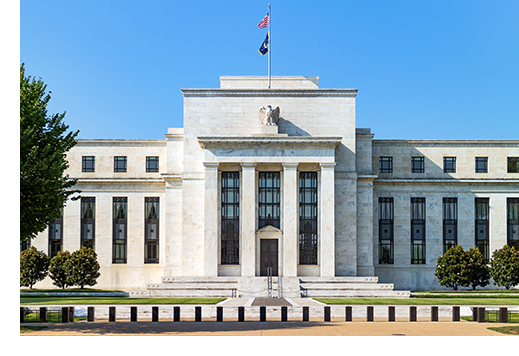
Last week, markets got clarity from the Fed — and for mortgage brokers, clarity matters more than headlines. Rates remained range-bound heading into and after the Fed meeting, and the message from policymakers reinforces what brokers are already seeing: this is a market that rewards education, patience, and proactive engagement.
“The song remains the same…”
— Led Zeppelin
Here’s what stood out — and how to translate it for your borrowers.
The Fed Meeting: No Move, But a Clear Message
The Fed held policy steady, exactly as expected. The bigger takeaway was how the Fed described the economy.
They upgraded their view of economic growth from “moderate” to “solid.” That small wording change matters because it signals the Fed doesn’t feel pressure to rush into cuts.
Fed Chair Jerome Powell summed it up clearly:
“The upside risks to inflation and the downside risks to employment have diminished.”
Broker takeaway:
- The Fed sees less risk of inflation flaring back up
- The labor market isn’t cracking
- This gives the Fed room to be patient — not restrictive
Two Fed governors did vote for a cut, which tells us the conversation is ongoing. Cuts aren’t off the table — they’re just not urgent yet.
For brokers, this reinforces a familiar theme: rates may move within a range, but volatility is contained.
While the Fed held policy steady, this isn’t the first time markets have reacted more to messaging than action. In a previous Market Insight, we broke down why brokers often see rate movement after Fed meetings, not during them.
Read how brokers should prepare for Fed-week volatility
How the Market Reacted (and Why It Matters)
Markets largely agreed with the Fed’s tone:
- Stocks moved higher
- Mortgage rates edged lower following the meeting
That reaction tells us investors were comfortable with the message — no surprises, no panic, no sharp repricing.
In a range-bound rate environment, structure and flexibility matter more than waiting on headlines.
In markets like this, many brokers are leaning on DSCR, Bank Statement, and other Non-QM programs to help borrowers move forward despite rate uncertainty.
See how Acra Lending supports Non-QM scenarios
Broker takeaway:
This is the type of Fed meeting that supports predictable rate behavior, making it easier to manage locks, quotes, and borrower expectations.
Housing News Brokers Can Actually Use
There was also positive housing data worth highlighting in borrower conversations.
The Case-Shiller Home Price Index showed prices rising at a slower pace — 1.4% year-over-year.
Why this matters:
- Slower home price growth helps affordability
- Less pressure on buyers trying to catch up
- Supports more sustainable housing demand
Looking ahead, 2026 is projected to be the first year in over a decade where wage growth outpaces home price appreciation.
That doesn’t fix affordability overnight — but it does support a healthier environment for buyers and brokers over time.
The Line Brokers Should Watch: 4.20% on the 10-Year
From a pricing perspective, one technical level still matters most:
4.20% on the 10-year Treasury.
- When the 10-year stays above it, mortgage pricing tends to stall
- Meaningful improvement typically requires a sustained move below it
Right now, the 10-year is hovering just above that line.
Broker takeaway:
Expect back-and-forth pricing, not a straight-line move. This is a market where timing, structure, and program selection matter more than chasing headlines.
Where Rates Stand Now
30-Year Fixed (Freddie Mac, Jan 29):
- ~6.10%
- Essentially flat week-over-week
- Notably better than a year ago
10-Year Treasury:
- ~4.24%
- Slightly lower than last week
- Well below early-2025 levels
Broker takeaway:
Rates remain workable and stable, even if they’re not breaking lower yet.
What Brokers Should Watch Next
This week’s focus shifts back to the labor market:
- ADP employment
- JOLTS job openings
- The Jobs Report
These reports help confirm whether the labor market continues to cool gradually — a key condition for future policy easing.
With no major Treasury auctions and Fed officials returning to the microphone, markets will react more to data than speculation.
What This Means for Broker Strategy
In this environment, strong brokers:
- 📣Set expectations instead of promising direction
- 🔄 Re-engage borrowers who are “waiting for clarity”
- 🧮 Re-run scenarios that were tight at the margins
- 🤝 Lean on flexible options (DSCR, Bank Statement, Non-QM) to keep deals moving
Bottom Line for Mortgage Brokers
The Fed didn’t surprise — and that’s a good thing.
Inflation risks are easing, housing affordability is slowly improving, and rate volatility remains contained. This is a market where guidance beats guessing, and brokers who help clients navigate the range will win trust — and deals.
The opportunity right now isn’t predicting the next move.
It’s helping borrowers move forward confidently while others wait.
Related Market Insights for Brokers
- What Brokers Need to Know Before the Fed Meeting
- Why Inflation Trends Matter for Mortgage Pricing
- How Brokers Can Navigate Rate Volatility
The material contained in this newsletter has been prepared by an independent third-party provider. The content is provided for use by real estate, financial services and other professionals only and is not intended for consumer distribution. The material provided is for informational and educational purposes only and should not be construed as investment and/or mortgage advice. Although the material is deemed to be accurate and reliable, there is no guarantee it is without errors.