Please note: While we live and breathe Non-QM, we know the bigger picture matters. This update looks at the broader mortgage market because what’s happening out there impacts everyone—borrowers, brokers, and lenders alike.
Mortgage rates remain near their 2026 highs, but several developments beneath the surface are giving mortgage brokers reasons to pay attention.
Inflation remains relatively contained. Oil prices have moved lower. The Treasury market is getting additional attention from Washington. And bond prices are approaching a technical level that could help determine whether mortgage rates finally get some relief—or move back toward new highs.
Add a major week of labor market data ahead of the September Federal Reserve meeting, and the setup becomes especially important for brokers with borrowers waiting on the sidelines.
Here’s what’s happening, why it matters for mortgage rates, and what brokers should be watching next.
Treasury Purchases: Why Mortgage Brokers Should Care
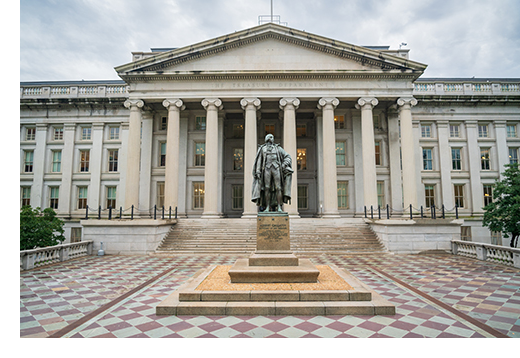
One of the more interesting developments came from Treasury Secretary Scott Bessent, who discussed a program to purchase longer-dated, less-liquid Treasury securities.
The stated objective is to improve liquidity and market functioning. But the mortgage industry should pay attention to another potential effect: what those purchases could mean for longer-term Treasury yields.
This distinction matters because mortgage rates aren’t determined directly by the Federal Reserve’s short-term policy rate.
Mortgage rates are influenced much more closely by longer-term bonds, including mortgage-backed securities and the 10-Year Treasury.
If Treasury purchases create additional demand for longer-dated securities, they could potentially influence liquidity, volatility and yields in that part of the market.
That doesn’t mean the Treasury is “cutting mortgage rates,” nor is this the same as quantitative easing. But anything that meaningfully changes demand or liquidity in the longer-term bond market deserves the attention of mortgage professionals.
Broker takeaway: Don’t watch only the Fed Funds Rate. Developments affecting the longer end of the Treasury market can be much more relevant to the mortgage rates your borrowers actually see.
Inflation Looks Better Than the Headline Suggests
July’s Core Personal Consumption Expenditures (PCE) report showed prices increasing approximately 0.2% for the month—an annualized pace of roughly 2.4%.
That’s getting much closer to the Fed’s 2% inflation target.
But the details are even more interesting.
Portfolio management fees rose sharply and accounted for an unusually large portion of the monthly increase in Core PCE. According to the underlying data, approximately 40% of July’s Core PCE increase came from this category.
Why does that matter?
Because not all inflation responds to higher interest rates in the same way.
Higher borrowing costs can reduce demand for homes, cars and other interest-rate-sensitive purchases. They’re far less effective at addressing a sudden increase in something like portfolio management fees.
That’s why markets—and mortgage professionals—should look beyond the headline inflation number.
The question isn’t simply whether inflation increased.
It’s where the inflation came from and whether it suggests broader price pressures are returning.
July’s report doesn’t necessarily provide that signal.
Broker takeaway: A single inflation headline doesn’t tell you where mortgage rates are headed. The composition of inflation can be just as important as the overall number.
Lower Oil Could Give Rates Another Tailwind
Oil has moved back into the lower-$80-per-barrel range as optimism surrounding Iran has reduced some of the immediate concerns about further military escalation.
That’s another development worth watching.
Energy prices affect transportation, manufacturing and distribution costs throughout the economy. They can also quickly change consumers’ and investors’ expectations for future inflation.
When oil rises sharply, inflation concerns can put pressure on bonds and mortgage rates.
When oil declines, the opposite can occur.
We’ve seen this relationship repeatedly throughout 2026.
Broker takeaway: Oil isn’t setting your borrower’s mortgage rate. But large moves in energy prices can change the inflation outlook, which can influence Treasury yields and mortgage-backed securities.
Is the Bond Market Setting Up for a Breakout?
This may be the most important development for brokers to watch right now.
Bond prices are approaching their 50-day moving average, a technical level that could help determine the market’s next direction.
Why should a mortgage broker care about a bond chart?
Because bond prices and yields move in opposite directions.
When bond prices rise, yields generally fall. When bond prices fall, yields rise.
Mortgage rates tend to follow the direction of longer-term bond yields, although they don’t move point-for-point.
Right now, there are two potential scenarios.
Scenario 1: Bonds Break Higher
If bond prices move convincingly above their 50-day moving average and maintain that momentum, it would represent an encouraging technical development.
Higher bond prices could translate into lower yields and potentially provide some relief for mortgage rates.
Scenario 2: The Breakout Fails
If bonds fail to break through this level, prices could move back toward their 2026 lows.
Because lower bond prices mean higher yields, that could put mortgage rates at risk of testing fresh 2026 highs.
That’s why the next several trading sessions could matter more than an ordinary week of small rate fluctuations.
Broker takeaway: Mortgage rates are near an important inflection point. Rather than trying to predict the outcome, brokers should be prepared for movement in either direction.
Where Mortgage Rates Stand
30-Year Fixed Mortgage Rate — August 27, 2026
- Average rate: ~6.66%
- Previous week: ~6.65%
- Year ago: ~6.56%
10-Year Treasury Yield — August 27, 2026
- Yield: ~4.65%
- Previous week: ~4.69%
- Year ago: ~4.24%
There’s an important detail here for brokers.
The 10-Year Treasury yield improved from the previous week, but average mortgage rates were essentially unchanged.
That’s another reminder that Treasury yields aren’t the only variable affecting mortgage pricing. Mortgage-backed securities, spreads, volatility and investor demand all play a role.
What Brokers Should Do Right Now
This isn’t necessarily a market where brokers need to make a big prediction about where rates are headed.
It’s a market where being prepared matters.
Keep pre-approved borrowers engaged. If bond prices break higher and mortgage pricing improves, you want borrowers ready to act rather than starting the conversation from scratch.
Revisit scenarios that were close. A relatively small change in rate or pricing can sometimes change the numbers enough to make a previously difficult scenario worth another look.
Don’t make rate the entire conversation. For borrowers who don’t fit conventional qualification standards, the right loan structure can sometimes matter more than waiting for a major decline in rates.
And most importantly, help borrowers understand volatility rather than trying to time it perfectly.
Looking Ahead: Jobs Could Determine the Next Move
The timing of this technical setup is particularly interesting because markets are about to receive several major labor reports.
This week’s calendar includes:
- ADP Employment Report
- JOLTS Job Openings
- Weekly Jobless Claims
- Official Jobs Report
Why does employment matter so much for mortgage rates?
The Federal Reserve has a dual mandate focused on price stability and maximum employment. With inflation showing signs of moderation, labor market conditions could become increasingly important as policymakers approach the September Fed meeting.
A significantly weaker labor market could strengthen expectations for easier monetary policy and potentially support bonds.
Stronger-than-expected employment data could reinforce the argument for keeping policy restrictive and potentially put upward pressure on yields.
Markets will also continue digesting Fed Chair Kevin Warsh’s Jackson Hole comments and what they could signal about the Fed’s approach heading into September.
The Bottom Line for Mortgage Brokers
Mortgage rates remain near their 2026 highs, but the market may be approaching an important inflection point.
Right now, brokers should be watching four things:
- Whether bond prices can break above their 50-day moving average
- Whether inflation continues moving toward the Fed’s target
- Whether lower oil prices reduce inflation pressure
- What the upcoming labor reports tell us ahead of the September Fed meeting
None of these factors guarantees lower mortgage rates.
But together, they create a setup worth watching closely.
For mortgage brokers, the opportunity isn’t predicting the exact day rates will move. It’s understanding what’s driving the market, keeping borrowers engaged, and being ready to act when pricing creates an opening.
The material contained in this newsletter has been prepared by an independent third-party provider. The content is provided for use by real estate, financial services and other professionals only and is not intended for consumer distribution. The material provided is for informational and educational purposes only and should not be construed as investment and/or mortgage advice. Although the material is deemed to be accurate and reliable, there is no guarantee it is without errors.