Please note: While we live and breathe Non-QM, we know the bigger picture matters. This update looks at the broader mortgage market because what’s happening out there impacts everyone—borrowers, brokers, and lenders alike.
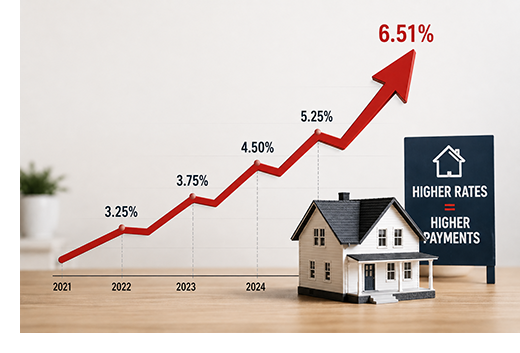
Mortgage rates pushed to fresh 2026 highs this week as bond markets continued reacting to inflation concerns, rising oil prices, and global uncertainty.
But for mortgage brokers, the bigger lesson isn’t just that rates moved higher.
It’s understanding why rates are moving, what levels actually matter, and how to navigate this market with borrowers.
Why Oil Prices Are Driving Mortgage Rates Right Now
One of the biggest forces impacting mortgage rates right now is oil.
As tensions surrounding Iran remain unresolved, energy markets are staying elevated, with oil hovering near the $100/barrel level.
Why that matters:
- Higher oil prices increase inflation pressure
- Inflation pressure pushes bond yields higher
- Higher bond yields lead to higher mortgage rates
This relationship between oil, inflation, and mortgage rates is something we covered recently in Oil and Mortgage Rates Are Moving Together Again: What Brokers Should Watch Right Now.
Broker takeaway:
When oil spikes, rate relief becomes much harder.
This Isn’t Just a U.S. Problem — It’s Global
Bond yields are rising globally as investors react to inflation, government debt, and deficit concerns.
The common issue: governments worldwide continue issuing large amounts of debt while inflation risks remain elevated.
That combination keeps upward pressure on global interest rates, including mortgage rates here in the U.S.
Simple broker rule:
Mortgage rates today are being influenced as much by global markets as domestic housing data.
Housing Data Still Shows Resilience
Despite elevated mortgage rates, housing activity hasn’t collapsed.
Recent Housing Starts data showed:
- Overall construction activity remained better than expected
- Multi-family construction stayed strong
- Builders remain cautious, but active
Single-family construction did soften, which reflects ongoing affordability pressure.
Broker takeaway:
There are still borrowers in the market. The deals simply require more strategy and structure than they did during lower-rate environments.
Why 4.60% on the 10-Year Treasury Matters
The 10-year Treasury is once again testing a key technical level near 4.60%.
Historically, this level has acted as an important ceiling for yields. That does not guarantee rates immediately improve, but it does suggest the market may be approaching an important pressure point.
Broker rule:
Watch the 10-year Treasury. It often signals where mortgage pricing is heading before rate sheets fully react.
What This Means for Mortgage Brokers
This type of market changes how brokers should approach their pipeline.
- Borrowers Need More Education
Many consumers are still waiting for rates to “come back down.”
The reality: rates may remain volatile longer than expected.
- Structure Matters More Than Rate
The brokers still winning right now are:
- Restructuring deals early
- Exploring alternative qualification options
- Staying proactive with borrowers
- Opportunity Windows Still Exist
Small shifts in rates can reopen opportunities quickly.
Brokers who stay close to their pipeline are the ones reviving deals when those windows open.
If you have a deal that needs a second look, submit a scenario to Acra and let the team help identify potential options.
What Brokers Should Watch Next
Next week’s biggest market movers include:
- Consumer Confidence
- GDP revisions
- Core PCE Inflation
- Treasury auctions
Markets will also closely watch Fed Chair Kevin Warsh’s tone on inflation and future policy.
Final Thought
This market is reminding brokers of something important:
Rates don’t move in a straight line.
They move based on inflation, oil prices, global debt markets, investor sentiment, and Fed policy.
The brokers who understand those relationships — and communicate them clearly to borrowers — are the ones building trust and keeping deals moving in difficult markets.
The material contained in this newsletter has been prepared by an independent third-party provider. The content is provided for use by real estate, financial services and other professionals only and is not intended for consumer distribution. The material provided is for informational and educational purposes only and should not be construed as investment and/or mortgage advice. Although the material is deemed to be accurate and reliable, there is no guarantee it is without errors.